Best Silent Retreats
56 retreats across 18 countries
Silent retreats eliminate conversation, screens, and external stimulation so you can turn inward. Whether rooted in Buddhist Vipassana, Christian contemplative traditions, or secular mindfulness, these programs cultivate deep awareness and mental clarity. We score silent retreats on program structure, teacher quality, environment, and the depth of the silence container.
Silent Retreat Overview
Silent Retreats at a Glance
Total Retreats
56
Avg. Score
8.3
Avg. Price
$8/night
Countries
18
Top Silent Retreats
Ranked by RetreatVault score

Nelamangala, Karnataka, India
Shreyas Retreat

Krong Siem Reap, Cambodia
Angkor Grace Residence & Wellness Resort

Boone, North Carolina, United States
Art of Living Retreat Center
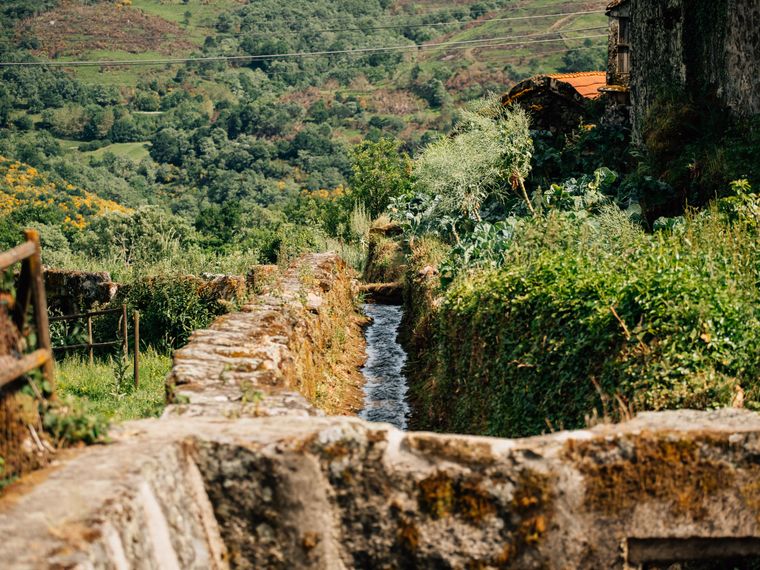
Coimbra, Portugal
Cara Creek Eco Lodge
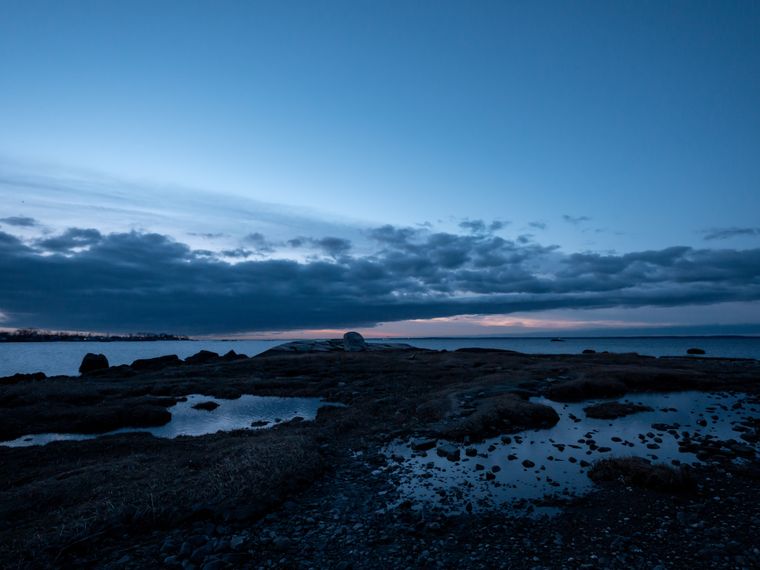
South Kingstown, Rhode Island
Enjoy the Journey Retreats

São Mamede de Infesta, Portugal
Meditation House Porto

Optimal Retreats

Marshall, North Carolina
Prama Institute & Wellness Center

Vajrapani Institute
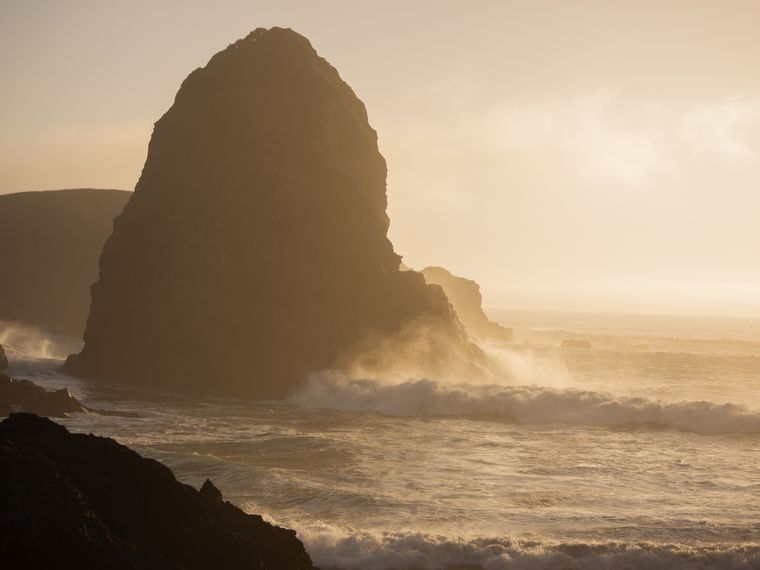
Clatskanie, Oregon
Zen Community of Oregon

3 Day Peace & Abundance Wellness Retreat in Georgia, US
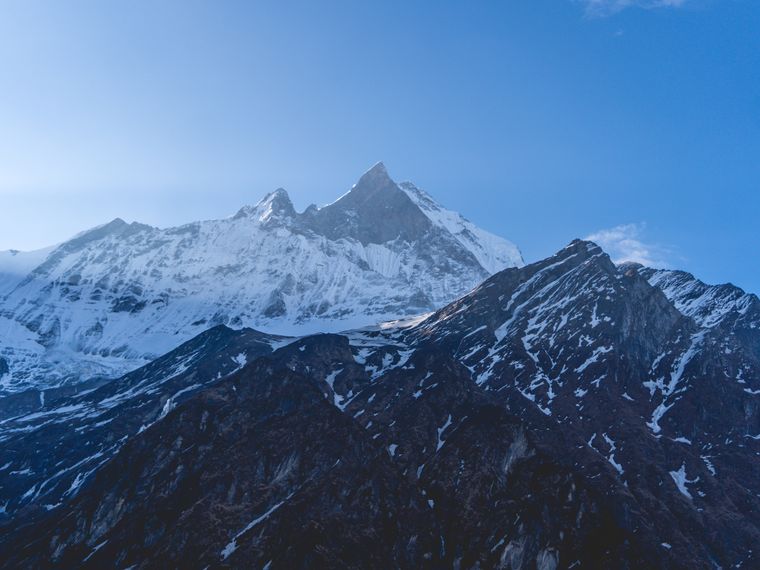
Pokhara, Nepal
3 night 4 days meditation Retreat at Foothill of Himalayas N
Complete Silent Retreat Directory
Every silent retreat, organized by country
New York
5 retreatsCambodia
2 retreatsPortugal
2 retreatsSilent Retreat FAQ
What does 'noble silence' mean at a retreat?
Noble silence means refraining from all forms of communication — verbal speech, eye contact, gestures, writing notes, and phone use. It creates a container for deep introspection. Some retreats allow brief functional communication with staff for practical needs.
How long are silent retreats?
Silent retreats range from weekend programs (2-3 days) to 30-day intensives. The classic Vipassana course is 10 days of complete silence. For beginners, a 3-5 day silent retreat provides a meaningful experience without overwhelming intensity.
Is a silent retreat difficult for beginners?
The first 24-48 hours are typically the hardest. Your mind races, boredom sets in, and the urge to speak is strong. By day 3, most participants report increased calm and clarity. Starting with a guided silent retreat (rather than self-directed silence) helps beginners enormously.
What do you do all day at a silent retreat?
Days are structured with seated meditation, walking meditation, mindful meals, gentle yoga or movement, and rest periods. Most retreats include dharma talks or guided instructions. You are never simply 'sitting in a room doing nothing' — the schedule is deliberate and full.
Can I leave a silent retreat early if it becomes too intense?
Yes, you can always leave. Reputable retreats make this clear during orientation. However, teachers generally encourage you to stay through difficult moments, as breakthroughs often follow periods of discomfort. Speak with a teacher or staff member if you are struggling.