I'm going to say something that might sting: if you're burned out, a vacation won't fix you.
I know. You've been fantasizing about a beach somewhere. Cocktails. No emails. And look — I'm not against beaches. I dive the ocean every chance I get. But here's the problem with the "I just need a vacation" approach to burnout:
You come back. And within 72 hours, the cortisol is right back where it was.
A 2022 study from Radboud University (PMID: 35426466) tracked cortisol levels in vacationers versus retreat participants over 10 weeks. The vacation group? Cortisol normalized within 3 days of returning home. The retreat group maintained lower cortisol for 6-8 weeks post-retreat.
The difference isn't the destination. It's the protocol.
What Burnout Actually Is (The Chemistry)
Burnout isn't "being tired." It's a measurable physiological state.
Your hypothalamic-pituitary-adrenal (HPA) axis — the system that regulates your stress response — gets stuck in overdrive. Cortisol stays elevated. Inflammation markers (IL-6, TNF-alpha, CRP) rise. Your prefrontal cortex — the part of your brain responsible for decision-making and emotional regulation — literally shrinks under chronic stress. A 2019 meta-analysis (PMID: 30879399) confirmed this with brain imaging across 15 studies.
This isn't something you fix with a mojito and a sunset.
You need a retreat that addresses the biology, not just the scenery.
What to Look For in a Burnout Recovery Retreat
Not every retreat is equipped for this. Here's what actually matters:
1. Medical or Clinical Intake
A real burnout retreat starts with assessment — not a welcome smoothie. Look for:
- Cortisol testing (salivary or blood)
- HRV (heart rate variability) baseline measurement
- Sleep quality assessment
- Nutritional deficiency screening
If a retreat doesn't measure anything, they can't improve anything. That's not a protocol. That's a guess.
2. Nervous System-Focused Programming
The modalities that have the strongest evidence for HPA axis recovery:
- Breathwork — Specifically slow-paced, extended exhale techniques. A 2023 Stanford study (PMID: 36630953) found 5 minutes of cyclic sighing outperformed mindfulness meditation for mood improvement and physiological calming.
- Yoga Nidra / Non-Sleep Deep Rest (NSDR) — Andrew Huberman has popularized this, but the research backs it up. NSDR protocols reduce cortisol and increase dopamine baseline (Kamakhya Kumar, 2014).
- Cold exposure — Deliberate cold water immersion activates the parasympathetic nervous system. The key is controlled, progressive exposure — not jumping into an ice bath on day one.
- Nature immersion — Japanese "forest bathing" research (PMID: 31001682) shows measurable cortisol reduction after just 20 minutes in a forest environment.
3. Sleep Architecture Support
Burnout destroys sleep. And bad sleep amplifies burnout. It's a vicious cycle.
Look for retreats that:
- Have no-screen policies after a certain hour
- Offer circadian rhythm-aligned scheduling (early starts, early wind-downs)
- Provide sleep-supportive nutrition (magnesium-rich evening meals, no caffeine after noon)
- Include guided sleep protocols (yoga nidra, body scans, sound healing before bed)
4. Minimum 5-Night Stay
This is non-negotiable for burnout. Three days isn't enough. Your nervous system needs at least 4-5 days to begin downregulating in a meaningful way. A 2019 study on wellness retreat outcomes (PMID: 31412272) found that benefits scaled significantly with stays of 6+ nights versus shorter programs.
5. Structured But Not Rigid
You're burned out. The last thing you need is a boot camp schedule that creates more stress. The best burnout retreats offer:
- A core daily framework (morning movement, afternoon restoration, evening wind-down)
- Optional programming you can opt into based on energy
- Genuine free time that's designed for rest, not just "free time to explore our overpriced gift shop"
8 Retreats Built for Burnout Recovery
These aren't random picks from a listicle. Every retreat below is scored in our database across 15 weighted categories. I'm highlighting the ones that specifically excel in the categories that matter for burnout: Sleep & Recovery, Mindfulness, Medical, Personalization, and Nutrition.
1. Kamalaya Koh Samui — Thailand

Why it works for burnout: Their "Embracing Change" and "Stress & Burnout" programs are built specifically for this. Naturopathic doctors on staff. TCM practitioners. Sleep architecture protocols. And the location — a former monk's cave on the southern coast of Koh Samui — isn't just pretty. It's genuinely quiet.
Best for: Mid-career professionals who want clinical-grade programming in a warm climate.
2. SHA Wellness Clinic — Spain

Why it works for burnout: Medical-grade assessment on arrival. Cognitive health unit. Stress management protocols backed by functional medicine testing. This isn't a spa — it's closer to a European medical center that happens to have ocean views.
Best for: People who want data. Blood panels, cortisol mapping, sleep analysis — SHA measures everything.
3. Canyon Ranch — Tucson, Arizona

Why it works for burnout: Integrative health team includes physicians, behavioral health therapists, and exercise physiologists. Their "Life Management" program is explicitly designed for chronic stress recovery. Plus, the Sonoran Desert environment has been shown to support circadian rhythm realignment.
Best for: Americans who don't want to fly international. Especially those who respond well to dry heat and desert landscape.
4. The Ranch Malibu — California
Why it works for burnout: Radical simplicity. No phones. No choices. You hike. You do yoga. You eat clean plant-based meals. You sleep. The structure itself is the medicine — it removes every decision from your plate.
Best for: Type-A personalities who need someone to physically take the controls away from them.
5. COMO Shambhala Estate — Bali

Why it works for burnout: Ayurvedic and TCM practitioners. Hydrotherapy circuits. Jungle setting with rice terraces. Their "Cleanse" program includes colonics, nutritional therapy, and daily bodywork — but it's the pacing that makes it work for burnout. Nothing feels rushed.
Best for: People who want Eastern medicine modalities in a luxury environment.
6. Miraval Austin — Texas

Why it works for burnout: Their "Mindfulness & Resilience" programming is strong. Equine therapy. Challenge courses (controlled stress exposure — this is actually therapeutic). And the all-inclusive pricing means no decision fatigue about add-ons.
Best for: People who need both restoration and active engagement. Sitting still makes you anxious? Miraval gets that.
7. Lefay Resort & SPA — Lake Garda, Italy
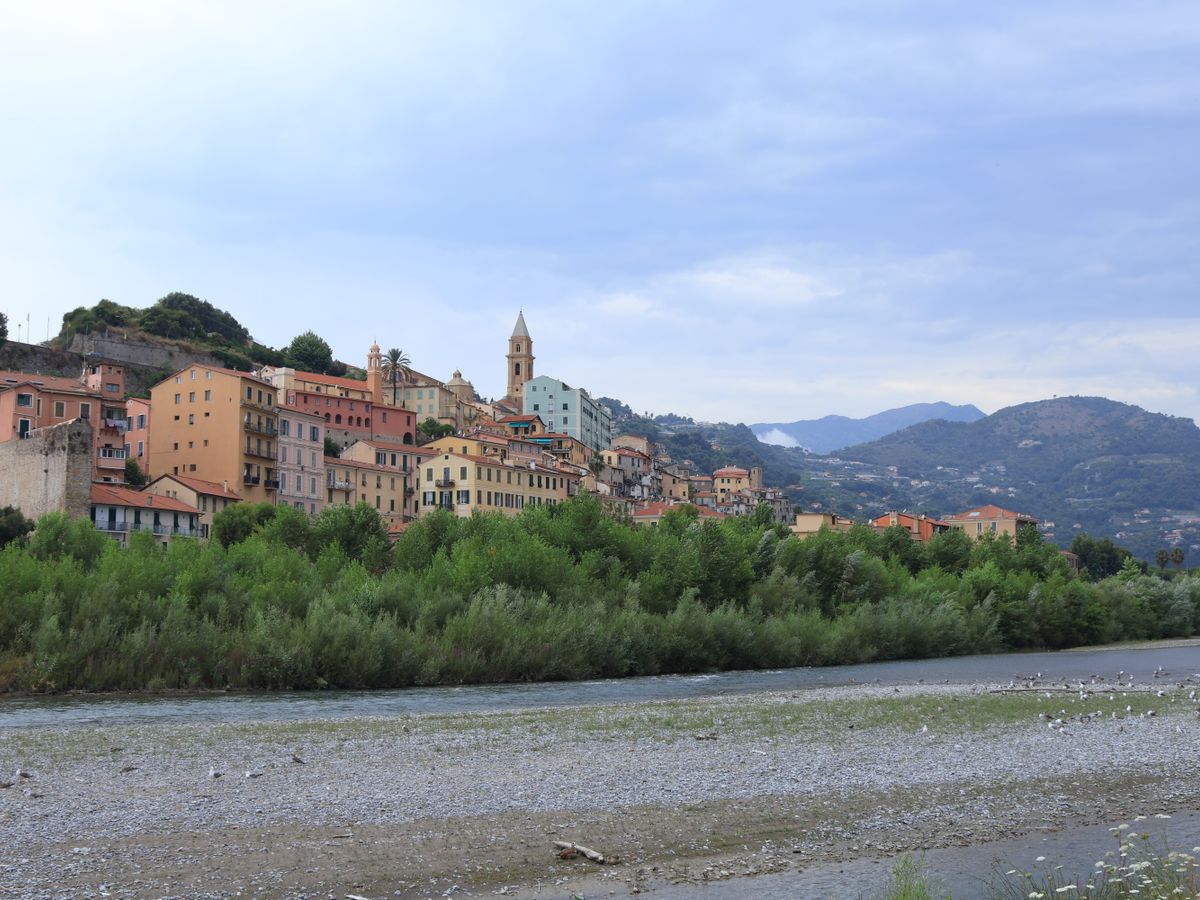
Why it works for burnout: Their "Burnout & Energy Recovery" program includes Traditional Chinese Medicine, osteopathy, and a phytotherapy protocol. The lakeside setting is genuinely calming. And the Italian food philosophy — seasonal, local, unfussy — is restorative on its own.
Best for: Europeans or anyone who responds to Mediterranean culture as medicine.
8. Fivelements — Bali

Why it works for burnout: Plant-based Balinese healing. Sacred arts. Deeply intentional programming that slows you down without feeling woo-woo. Their water purification ceremonies sound out there, but the science of ritual and intentional transitions supports nervous system regulation.
Best for: People who are open to spiritual modalities alongside clinical ones.
How to Choose Between Them
Use our comparison tool to see how any of these retreats score across Sleep & Recovery, Mindfulness, Medical, and Personalization — the four categories that matter most for burnout.
Or if you're overwhelmed (you probably are — that's the burnout talking), take the 2-minute quiz. Tell us what you're dealing with and we'll match you to the retreats that fit.
One More Thing
Burnout recovery is not a one-week event. It's a process. The retreat is the catalyst — it interrupts the pattern, gives your nervous system evidence that safety exists, and teaches you modalities you can take home.
But the real work? That's what happens after you get back. The breathwork practice you keep doing. The screen boundaries you maintain. The sleep protocol you actually follow.
Start with the retreat. Build the lifestyle around it.
I'm Chad. Your chemist.